
Compare Local Contractors for Effective Ant Control Services
Compare local contractors for ant control to define project scope, verify experience, and set clear expectations, ensuring a reliable and effective pest management solution.
Ant control services typically cover a range of activities aimed at identifying, managing, and preventing ant infestations on residential and commercial properties. These services often include inspecting the property to locate ant colonies and entry points, implementing targeted treatment methods to eliminate existing nests, and advising on measures to reduce future ant activity. Some contractors may also offer ongoing monitoring or preventative solutions to help property owners maintain a pest-free environment. Understanding the scope of work involved can help property owners determine what specific issues need to be addressed and ensure that the service provider’s offerings align with those needs.
Defining the scope of an ant control project is an important step in working with a contractor. Clear communication about the extent of the infestation, the areas affected, and any particular concerns can help set realistic expectations and prevent misunderstandings. Property owners should specify whether they are seeking a one-time treatment or ongoing prevention, and whether they need assistance with specific problem areas. Documenting these details in writing can serve as a reference for both parties, helping to ensure that the scope of work is understood and agreed upon before the work begins.
When comparing local contractors for ant control services, it’s useful to consider their experience and reputation within the community. Property owners can review credentials such as customer feedback, references, or the length of time a contractor has been operating in the area. It’s also beneficial to evaluate how each service provider approaches the scope of work-whether they offer comprehensive inspections, tailored treatment plans, or preventative advice. By asking questions about their process and verifying their experience, property owners can make informed decisions and select a contractor whose expertise and approach align with their specific needs.
Compare local contractors by outlining your ant control priorities, verifying experience, and setting clear expectations in writing.
- Compare Contractor Credentials - Review the experience and background of local service providers to ensure they meet your project needs.
- Define Project Scope Clearly - Establish detailed expectations and tasks to prevent misunderstandings during the ant control process.
- Verify Experience with Similar Jobs - Choose contractors who have successfully handled ant control services in comparable environments.
- Document Agreements in Writing - Ensure all project details, responsibilities, and expectations are confirmed through written agreements.
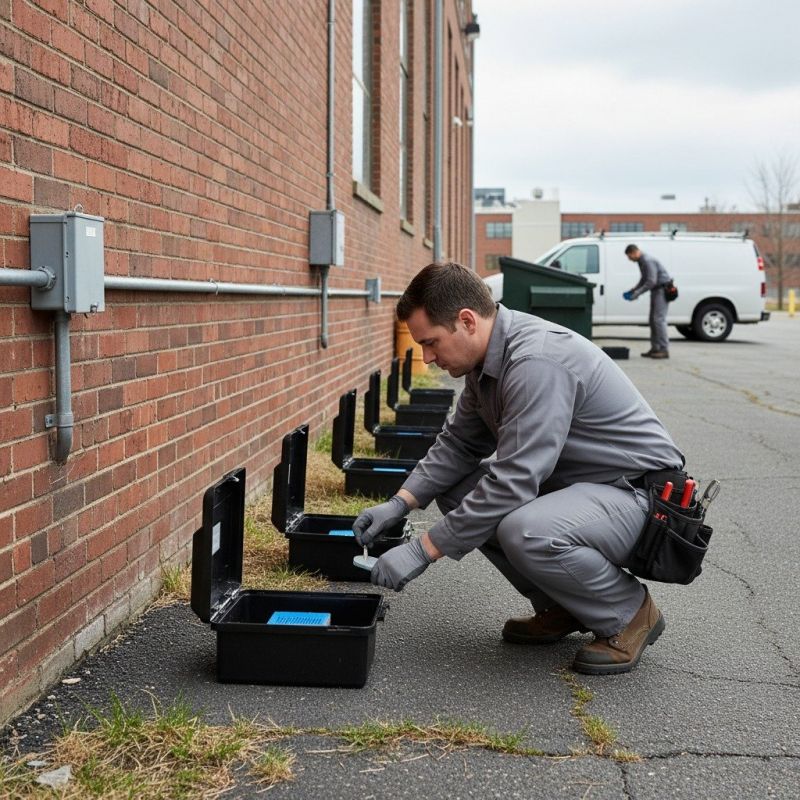
Clearly describe your ant control project to compare options, verify experience, and set expectations with local service providers.
- Verify the contractor’s experience with ant control services in residential or commercial settings. - Ensure the scope of work is clearly defined and documented in writing before the project begins.
- Compare multiple service providers to assess their methods and approach to ant elimination. - Look for contractors who provide detailed explanations of their treatment techniques and products used.
- Check for references or reviews to gauge the reliability and quality of the contractor’s previous work. - Confirm that the contractor explains the treatment plan and what to expect during and after the service.
- Ensure the scope of work includes inspection, treatment, and follow-up procedures if necessary. - Clarify any guarantees or warranties offered for the ant control service in writing.
- Assess the contractor’s communication style and responsiveness during initial inquiries. - Make sure all project details, including scope, methods, and expectations, are documented in a written agreement.
Compare local contractors’ experience and clarify your scope to ensure effective ant control solutions.
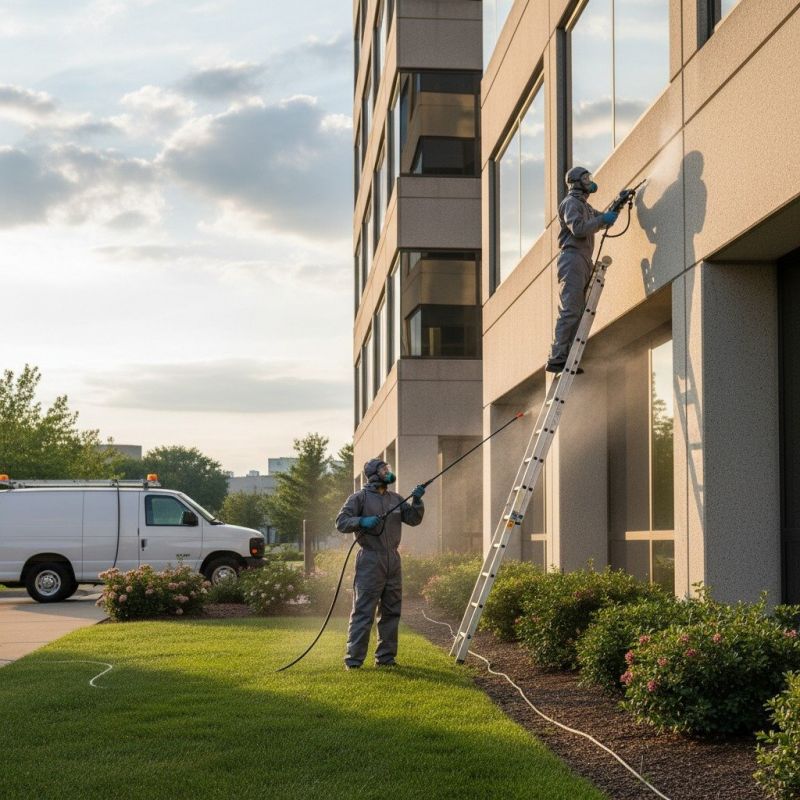

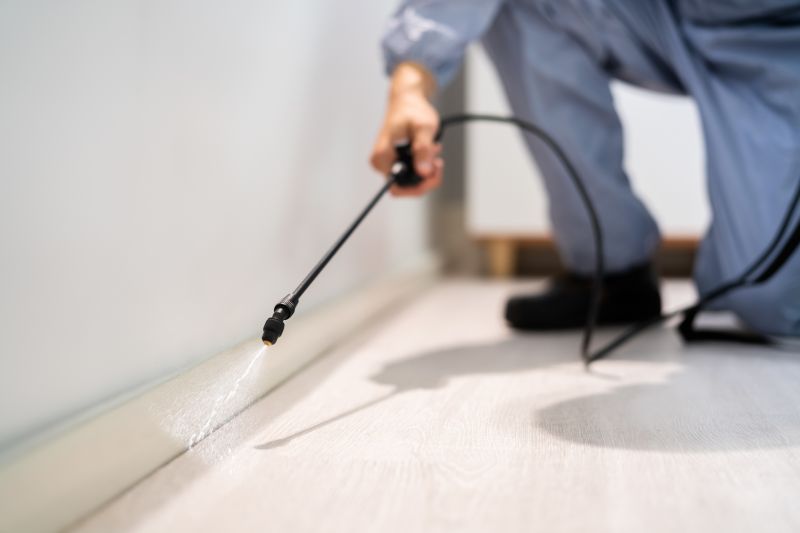

This scope builder helps compare local contractors, define service details, verify experience, and set clear expectations in writing.
- Service Scope - Clearly define the specific ant control tasks and areas to be treated.
- Experience and Expertise - Verify that local contractors have relevant experience handling ant infestations.
- Methods and Treatments - Identify the types of control methods and products the service providers use.
- Written Agreement - Ensure all service details, responsibilities, and expectations are documented in writing.
- Insurance and Guarantees - Confirm that local professionals carry appropriate insurance and offer any applicable guarantees.
When comparing contractors for ant control services, it’s important to evaluate their experience with similar projects. Homeowners should inquire about the types of ant infestations they have handled and the environments in which they have worked, such as residential homes, gardens, or larger properties. A contractor with a history of successful ant control in settings comparable to the homeowner’s can provide insights into their familiarity with common challenges and effective solutions. This background helps ensure that the service provider understands the specific issues related to ant behavior and can tailor their approach accordingly.
A clear, written scope of work is essential when assessing different contractors. Homeowners should look for service providers who can provide a detailed explanation of the procedures they plan to use, the areas that will be treated, and the methods involved. Having this information in writing helps set clear expectations and reduces misunderstandings. It also allows homeowners to compare the comprehensiveness of each contractor’s approach, ensuring that the proposed work aligns with the homeowner’s needs and concerns.
Verification of a contractor’s experience can be supported by requesting references or examples of past projects. Homeowners should ask about the outcomes of previous ant control efforts and whether clients were satisfied with the results. Additionally, understanding the contractor’s familiarity with local ant species and common nesting sites can be valuable. Verifying these details helps confirm that the service provider has the appropriate background and practical knowledge to handle the specific ant issues present on the property.
When evaluating options, it’s helpful to focus on the contractor’s communication and professionalism. Homeowners should consider how clearly and thoroughly each service provider explains their proposed scope of work, as well as their responsiveness to questions. Reviewing written documentation and ensuring all aspects of the project are addressed can aid in making an informed decision. By emphasizing experience, scope clarity, and verification, homeowners can select a contractor who is well-equipped to manage their ant control needs effectively.
Ask contractors to provide written scope details to ensure clarity and consistency throughout the ant control process.
- Experience and Expertise - What specific experience do local contractors have with ant control services?
- Scope of Work - How do contractors define the scope of ant control treatments and methods?
- Service Guarantees - Do service providers offer written guarantees or warranties for their ant control solutions?
- Methods and Products - What techniques and products do local contractors typically use for ant eradication?
- Comparison Criteria - How can the scope and experience of different contractors be compared to ensure consistent service quality?
What should I consider when choosing an ant control contractor? It's important to compare local contractors based on their experience, reputation, and the scope of services they offer to ensure they meet specific needs.
How can I verify a contractor’s experience with ant control? Review their portfolio, ask for references, and check if they have handled similar ant issues to gauge their expertise in the field.
What details should be included in a service agreement? A clear written scope of work, expectations, and any specific treatments or methods should be outlined to avoid misunderstandings.
How do I define the scope of ant control services needed? Assess the extent of the ant problem and communicate specific areas or structures requiring treatment to help contractors provide accurate proposals.
Why is it helpful to compare multiple local contractors? Comparing different providers allows for better understanding of available options, services offered, and helps identify the most suitable professional for the job.
What questions should I ask a contractor before hiring for ant control? Inquire about their experience with similar issues, the methods they use, and how they plan to address your specific ant problem to ensure clarity.
This page has highlighted the importance of clearly defining the scope of ant control services, verifying the experience of local contractors, and setting expectations in writing to ensure a smooth process. Visitors now understand how to compare different service providers and gather the necessary information to make informed decisions. Using the quote form allows for easy access to local contractors who can handle ant control needs and provides a straightforward way to explore options.
To find the right contractor for ant control, it’s recommended to use the quote form to connect with local service providers. This helps in comparing available options, understanding each contractor’s approach, and establishing clear expectations upfront. Taking these steps can support a confident selection process by focusing on the details that matter most for the job.